German Shepherd Hip Dysplasia Early Signs Every Owner Must Know (2026)
Table of Contents
- What Is Hip Dysplasia in German Shepherds?
- German Shepherd Hip Dysplasia Early Signs to Watch For
- Why German Shepherds Are So Prone to This
- What You Can Do Right Now — GSD Hip Dysplasia Treatment Options
- German Shepherd Hip Problems Symptoms That Need a Vet
- Frequently Asked Questions
- Final Thoughts
Introduction
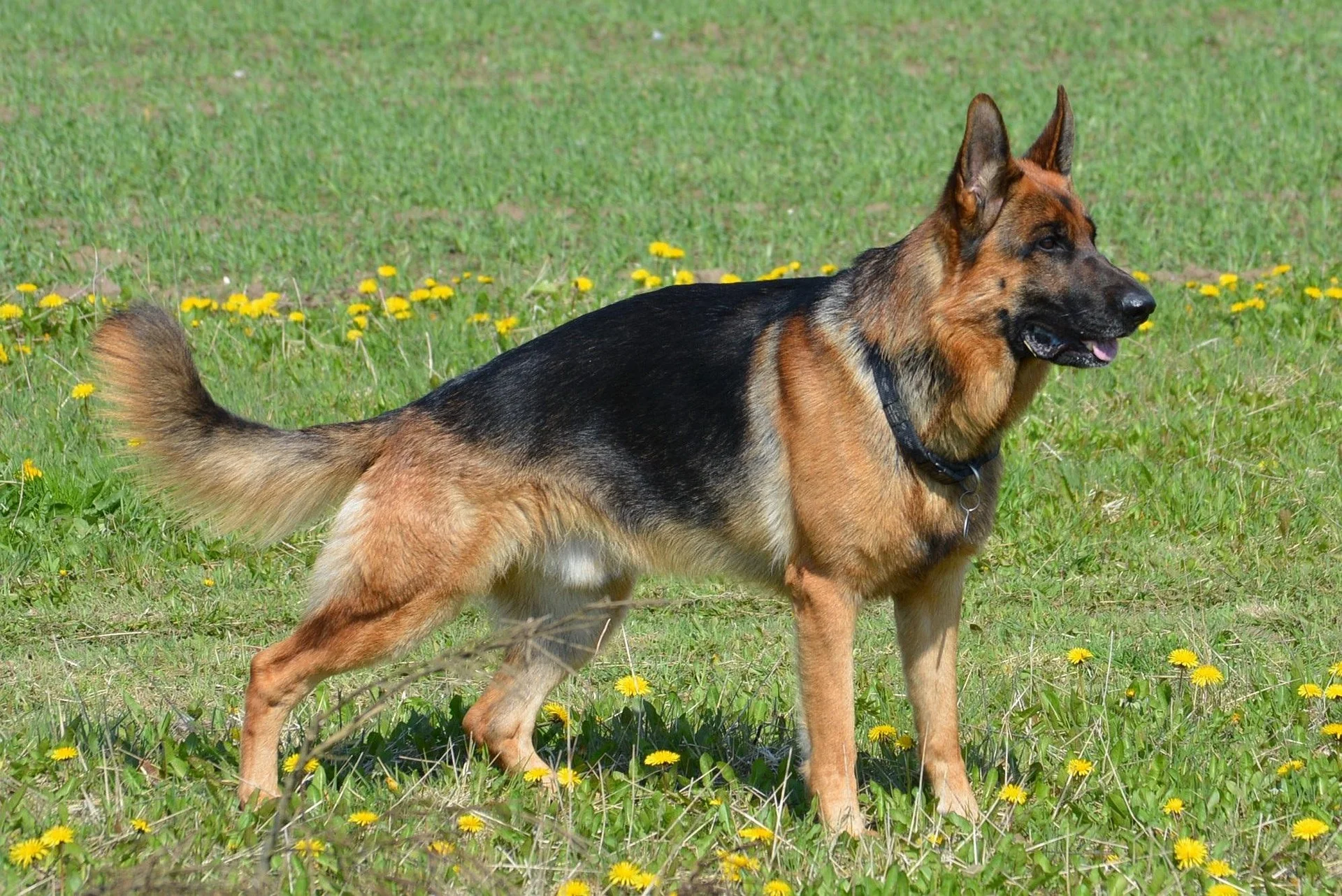
Here’s something that stopped us cold the first time we heard it: hip dysplasia affects an estimated 19% of German Shepherds — making them one of the most at-risk breeds in the country. We didn’t think much about it until our three-year-old GSD, Rex, started hesitating at the bottom of the stairs. Just standing there, looking up at us. That one moment sent us down a rabbit hole we wish we’d gone down months earlier.
German Shepherd hip dysplasia early signs are easy to dismiss. “He’s just tired.” “She probably overdid it at the park.” That’s exactly the problem — by the time most owners recognize something is clearly wrong, the joint damage has been quietly building for months.
What you’re about to read covers the German Shepherd joint pain signs to watch for right now, why hip dysplasia happens in this breed specifically, and what you can actually do about it before things get worse. No fluff. Just what you need to know.
What Is Hip Dysplasia in German Shepherds?
Hip dysplasia in German Shepherds is a developmental condition where the hip joint — which should fit together like a smooth ball-and-socket — forms incorrectly, causing the bones to grind, slip, or wear unevenly over time.
The socket doesn’t cradle the ball of the femur the way it should. Instead of gliding cleanly, the joint rubs. That friction causes inflammation, pain, and eventually arthritis. It’s not a sudden injury. It develops gradually, often starting before your dog shows any obvious symptoms at all.
The condition is hereditary at its core, but environment, diet, and growth rate all influence how early and how severely it shows up. A GSD with a genetic predisposition — raised on poor nutrition and pushed too hard too young — will often develop symptoms much earlier than a littermate raised more carefully.
Understanding what’s happening inside that joint is the first step toward catching German Shepherd hip dysplasia early signs before real damage sets in.
German Shepherd Hip Dysplasia Early Signs to Watch For

German Shepherd hip dysplasia early signs often show up subtly — a small change in how your dog moves, stands, or recovers after exercise. Your GSD might show German Shepherd joint pain signs long before you’d ever describe it as limping.
Watch for these specifically:
- The bunny hop. When your GSD runs, do both back legs push off together instead of alternating? That’s a classic German Shepherd mobility issue — they’re compensating to reduce load on the painful hip. It looks almost playful. It isn’t.
- Stiffness after rest. Your dog wakes up, gets up, and moves like a rusty gate for the first few minutes. This is joint inflammation settling during inactivity. It often loosens up with movement — which is exactly why owners miss it. “Oh, she warmed up fine” doesn’t mean nothing is wrong.
- Reluctance to jump or climb. A dog that used to leap into the car now hesitates, plants its front feet, and looks at you. That’s not stubbornness. That’s dog limping back legs — just in slow motion, disguised as hesitation.
- Shifting weight forward. Dogs with hip pain start bearing more load on their front legs. Over time, you’ll notice their hindquarters look narrower or less muscled. That hindquarter atrophy is a real red flag — and one of the more obvious German Shepherd hip problems symptoms once you know to look for it.
- Behavioral changes. Irritability, reluctance to be touched near the hips, or snapping when you reach toward their back end. Pain changes personality. A dog that’s always been easy-going turning suddenly reactive around handling is worth paying attention to.
- A swaying gait. From behind, their hips seem to roll more than normal, or one hip drops lower than the other on each stride. This is worth filming — it’s easier to see in video than in real time, and it gives your vet something concrete to evaluate.
These German Shepherd hip dysplasia early signs can appear as young as four months in severe cases, though most owners first notice something between one and two years. According to the AKC, German Shepherds are consistently among the breeds most commonly diagnosed with canine hip dysplasia — which means your vet should be screening proactively, not waiting for you to flag a problem.
Why German Shepherds Are So Prone to This
The short answer: genetics, size, and the way the breed developed over decades.
Hip dysplasia in German Shepherds has deep roots in the breed’s history. GSDs were bred for demanding physical work — herding, protection, military and police service. That breeding created a powerful, athletic dog with a sloped topline that, over generations of show-line breeding especially, began correlating with looser hip joints. The Orthopedic Foundation for Animals consistently ranks German Shepherds among the top ten large breeds for hip dysplasia prevalence.
But genetics isn’t the whole story. Orthopedic problems in large breed dogs are heavily shaped by how fast a puppy grows. GSDs grow fast — and German Shepherd puppy hip development is most vulnerable between two and eight months. During this window, cartilage is soft, the socket is still forming, and the wrong conditions can tip a genetically borderline dog into a clinical diagnosis.
One data point worth knowing: research published in the Journal of Veterinary Internal Medicine found that dogs maintained at lean body condition during puppyhood had significantly lower rates of hip dysplasia than heavier littermates. What you feed — and how much — in that first year matters more than most people realize.
So if you bought from a breeder who didn’t OFA-test the parents, pushed intense exercise too early, or overfed a fast-growing puppy, that’s the context your dog is working with. You can’t change it. But you can manage what comes next.
What You Can Do Right Now — GSD Hip Dysplasia Treatment Options

Honest answer: you can’t reverse joint malformation that’s already happened. But you can slow progression, reduce pain, and dramatically improve quality of life — especially when you start early. Here’s exactly what worked for our GSD and what vets consistently recommend for GSD hip dysplasia treatment.
1. Get a baseline x-ray done now.
If your GSD is over a year old and you haven’t had their hips evaluated, schedule it. A standard hip x-ray under light sedation gives your vet a clear picture of joint fit. PennHIP screening — a more precise method — can actually be done as early as 16 weeks. Don’t wait for symptoms to justify the visit.
2. Control weight obsessively.
Every extra pound puts exponentially more pressure on an already compromised joint. If your GSD is even slightly overweight, reducing it is the single highest-impact change you can make. Talk to your vet about a realistic target weight and hold it.
3. Adjust exercise — don’t eliminate it.
This is where people go wrong in both directions. Complete rest weakens the muscles that support the joint. High-impact repetitive activity — fetch on hard ground, long runs on pavement, jumping — accelerates wear. The sweet spot is low-impact, consistent movement: leash walks on grass or dirt, swimming if you have access, and short controlled play sessions.
4. Ask about joint supplements.
Fish oil (omega-3s) has solid anti-inflammatory evidence behind it for dog hip pain relief. Glucosamine and chondroitin are less conclusively proven but widely recommended and low-risk. These work best as prevention or early intervention — not after arthritis is already advanced.
5. Evaluate your flooring.
Slippery floors are brutal on dogs managing German Shepherd joint pain signs every day. Rubber-backed rugs, yoga mats, or traction socks make a real difference in daily comfort and reduce the risk of acute injury on top of chronic pain.
6. Know the full spectrum of GSD hip dysplasia treatment.
Options range from physical therapy and hydrotherapy to prescription NSAIDs to surgical intervention — including FHO (femoral head ostectomy) or total hip replacement for severe cases. Knowing what’s available means you make better decisions at every stage. PetMD — Hip Dysplasia Treatment in Dogs
German Shepherd Hip Problems Symptoms That Need a Vet
Some German Shepherd hip problems symptoms you should not try to manage at home or wait out.
See a vet promptly if you notice:
- Sudden lameness or inability to bear weight on one or both back legs
- Visible swelling around the hip or lower back area
- Your dog crying or whimpering when touched near the hips
- A rapid change in gait — something that appeared in days, not weeks
- Visible muscle wasting in the hindquarters that’s progressing fast
- Loss of bladder or bowel control — this can signal spinal involvement, not just hip dysplasia
German Shepherd hip problems symptoms that develop slowly are usually manageable with lifestyle adjustments and medical support. Symptoms that appear suddenly or escalate fast need a diagnosis first — because several conditions, including spinal issues and cruciate ligament tears, can mirror hip dysplasia but require completely different treatment.
Trust your instincts here. You know your dog’s normal. If something feels off, a vet visit for GSD hip dysplasia treatment evaluation costs far less than managing a condition that worsened because you waited.
Also Read Article on : Best Dog Food for French Bull Dogs
Frequently Asked Questions
Q: Can German Shepherd hip dysplasia early signs appear in puppies?
Yes. In severe cases, German Shepherd hip dysplasia early signs can appear as early as four months. Most commonly, noticeable symptoms develop between one and two years of age. Puppies from high-risk bloodlines should be evaluated by a vet before six months, ideally with PennHIP screening.
Q: Is hip dysplasia in German Shepherds painful?
Yes, especially as the condition progresses into arthritis. Early-stage hip dysplasia in German Shepherds may cause intermittent stiffness rather than constant pain. Without management, chronic inflammation and cartilage loss cause significant daily discomfort that directly affects quality of life.
Q: Can diet cause or prevent hip dysplasia in German Shepherds?
It depends. Genetics determines whether a GSD is predisposed, but diet heavily influences severity and timing. Overfeeding a puppy accelerates bone growth and increases risk. Lean body condition, appropriate nutrition, and avoiding unsupervised calcium supplementation all lower the odds of early onset.
Q: What’s the difference between hip dysplasia and arthritis in dogs?
It depends — they’re related but not the same. Hip dysplasia is the structural malformation of the joint. Arthritis is what develops because of that malformation over time. Most dogs with hip dysplasia in German Shepherds will develop secondary arthritis in the affected joint without intervention.
Q: What GSD hip dysplasia treatment options are available?
It depends on severity. Early-stage GSD hip dysplasia treatment typically includes weight management, controlled exercise, anti-inflammatory supplements, and NSAIDs. Advanced cases may require surgical options like FHO or total hip replacement. Your vet will guide you based on x-ray findings and your dog’s pain level.
Q: How is canine hip dysplasia diagnosed in German Shepherds?
It depends on the method. Standard x-rays reveal joint fit and early arthritis signs. PennHIP provides a precise laxity score and can be done at 16 weeks. A physical exam — checking range of motion, observing gait, and testing pain response — is always part of a proper canine hip dysplasia diagnosis.
Final Thoughts
German Shepherd hip dysplasia early signs are easy to rationalize away — a slow morning, too much play yesterday, just getting older. We did it too. That’s not a failure. It’s just how this condition works. It doesn’t announce itself loudly.
What we know now: the earlier you act, the better the outcome. Not because there’s a cure, but because early management — weight control, the right movement, proper GSD hip dysplasia treatment planning, and staying ahead of pain — genuinely slows progression and keeps your dog comfortable for longer.
If anything in this article sounded familiar, start with a vet appointment and a hip x-ray. That’s the only way to know what you’re actually working with. And if your GSD gets a diagnosis — take a breath. Thousands of owners navigate hip dysplasia in German Shepherds every year and come out the other side with dogs who are still happy, still active, still fully themselves.
Your dog is worth the early attention. That’s the whole point.
1 Comment
Just wanna input on few general things, The website design is perfect, the subject material is really superb. “The idea of God is the sole wrong for which I cannot forgive mankind.” by Marquis de Sade.